Understanding and Treating Migraines with Acupuncture & Herbs

Treating Headaches with Acupuncture and TCM - Camino Wellness Center - Nataliya Nusinova

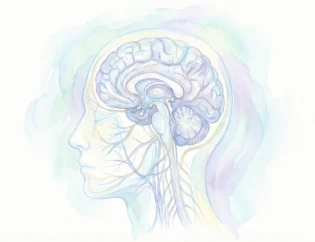
For those who suffer from migraines, the experience is often more than just a “bad headache.” It is a debilitating neurological event characterized by throbbing pain, light sensitivity, and nausea. In Traditional Chinese Medicine (TCM), a migraine is more than just a headache; it is a signal of a deep systemic imbalance. Whether the pain is a dull ache, a sharp “ice-pick” sensation, or accompanied by an aura, TCM views it as a disruption in the body’s energy field. By utilizing specific protocols to reset the nervous system and the energy body, we can move from simply “surviving” a migraine to clearing the patterns that cause them.

The TCM View: “Free Flow, No Pain”

In TCM, health is defined by the smooth flow of Qi (vital energy) and Blood throughout the body’s meridian system. Migraines are typically viewed through the lens of “Bi” (obstruction) or an imbalance of Internal Wind, Fire, or Phlegm.

The fundamental principle is: Tong ze bu tong, bu tong ze tong — “If there is free flow, there is no pain; if there is pain, there is no free flow.”

Common Patterns of Migraine in TCM

In the view of Traditional Chinese Medicine (TCM), a migraine is rarely just a localized vascular event. Instead, it is often the physical “scream” of a long-suppressed emotional or psychological tension. TCM operates on the principle that the mind and body are an inseparable continuum; therefore, chronic migraines are frequently the somatic manifestation of internalized conflict, stagnant growth, or unexpressed spirit.

TCM practitioners do not treat every migraine the same way. Treatment is tailored to specific “patterns”:

Liver Yang Rising: Often triggered by stress or anger. TCM practitioners look at a migraine as a “weather event” happening inside the body. The most common cause is Liver Yang Rising, which feels like a hot, rushing wind blowing upward into the head.The pain is usually sharp, located on the sides of the head (the Gallbladder meridian), and accompanied by irritability or dizziness.

The Gallbladder Connection: The Gallbladder meridian wraps around the sides of the head exactly where most migraines occur. When the Liver (the “General” of the body) becomes stressed or stagnant, it sends a surge of heat and energy up through the Gallbladder channel.

The Result: This “wind” causes the throbbing, light sensitivity, and nausea that define a migraine.

The Emotional Root: The Liver is responsible for the smooth flow of Qi and is associated with our sense of purpose and “vision.” When we feel thwarted, repressed, or stuck in a life situation that contradicts our true nature, Liver Qi Stagnates.

The Physical Result: This stagnant energy turns into “Heat” and eventually “Fire,” which rushes upward to the head. These migraines often strike along the sides of the temple (the Gallbladder meridian), manifesting as a sharp, pounding reminder of unresolved anger or frustration.

The Spleen and the “Weight of Worry”

The Emotional Root: The Spleen is the center of transformation and is linked to the intellect. Overthinking, obsessive worrying, and “digesting” the problems of others can weaken the Spleen.

The Physical Result: This leads to the accumulation of Internal Dampness. The resulting migraine feels heavy, like a wet towel wrapped around the brain, symbolizing the mental “fog” created by an overactive, anxious mind.

Blood Stagnation: Characterized by fixed, stabbing pain that is chronic and persistent. This often follows a history of long-term illness or injury.

Phlegm-Dampness: Usually involves a heavy, “wrapped” sensation in the head, often accompanied by “brain fog,” nausea, and a feeling of fullness in the chest.

Qi and Blood Deficiency: These migraines are often duller and occur after overexertion or during a menstrual cycle. They are accompanied by fatigue and paleness.

Primary TCM Modalities for Treatment

TCM utilizes a multi-pronged approach to reduce the frequency and intensity of migraines.

1. Acupuncture

Acupuncture is perhaps the most well-researched TCM tool for migraines. By inserting fine needles into specific points, practitioners aim to move stagnant Qi and trigger the body’s natural pain-relieving chemicals (endorphins).

Acupuncture points like Taichong (LV3) are used not just to lower blood pressure, but to “descend” the energy of a person who is living too much in their head. By grounding the Qi, the practitioner helps the patient move from a state of hyper-vigilance to a state of embodied presence.

How it feels: It’s like turning down the brightness and volume on the world. It stabilizes the brain’s chemistry, allowing the “Liver Fire” to cool and the “wind” to subside.

“Four gates” a combination of Hegu (LI4,) and Taichong (LV3,) is the most common and powerful combination of acupuncture points used to move stagnant energy, relieving headaches, pain and stagnant emotional energy.

Key Points: Often include Tiaochong (LV3) on the foot to calm the Liver, or Fengchi (GB20) at the base of the skull to dispel “Wind.” 

Clearing the “Dragons” – Internal and External Triggers

For many migraine sufferers, the pain is triggered by things outside (smells, weather, lights) or things inside (repressed emotions, trauma, stress). The Internal and External Dragon protocols are used to purge these specific influences.

Esoteric Acupuncture

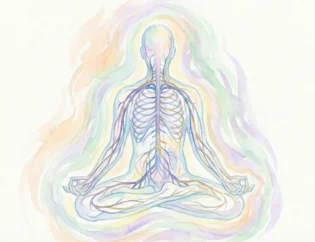
The blueprint of the energy body serves as the essential architectural template upon which the physical self is constructed and maintained. According to TCM philosophy and the principles of Esoteric Acupuncture, health is not merely the absence of physical symptoms, but a state of alignment with this original, undistorted template. If we view the physical body as a house, the energy body is the master blueprint; when the blueprint contains errors or “static,” the physical structure eventually manifests those faults as chronic pain, migraines, or exhaustion.

By addressing this deeper layer, we move beyond the “ripples” of the disease and target the source of the disturbance itself. Healing the blueprint ensures that the physical nervous system is no longer receiving a faulty or hyper-reactive signal from the energy field, allowing the body to finally return to its intended state of harmony and balance.

2. Herbal Medicine

Customized herbal formulas are used to address the internal “environment.”

  • Xiao Yao San: Frequently used for stress-induced migraines to soothe the Liver.
  • Formulas such as Xiao Yao San (Free and Easy Wanderer) are legendary in TCM for their ability to “smooth the Liver.” Psychologically, this formula helps a person become more flexible and less reactive to life’s stressors, essentially “cooling” the emotional fire before it reaches the head.
  • Chuan Xiong Cha Tiao San: Specifically designed for “Wind” headaches, often containing herbs that guide the medicine directly to the head.

Lifestyle and Preventive Care

TCM emphasizes that “the superior physician treats the disease before it arises.” To prevent migraines, practitioners often recommend:

Trigger FactorTCM Recommendation
DietAvoid “Heating” foods like spicy peppers, alcohol, and excessive caffeine.
EmotionPractice Tai Chi or Qi Gong to regulate the Liver Qi and manage stress.
SleepEnsure rest before 11pm (the time associated with the Gallbladder/Liver meridians).
MassageMassage the head along the meridians, from the front hair line to the back hair line, to help the flow of energy on the head. You can use the wooden comb with wide teeth.
Essential OilsUsing essential oils, especially peppermint essential oil to prevent or to treat the migraines

Decoding the Location

TCM practitioners look at where the pain sits to understand the psychological root of the attack:

  • Vertex (Top of the Head): Often related to the Liver. Symbolically, this can represent a struggle with one’s connection to “Heaven” or higher authority—a feeling of being unsupported from above.
  • Forehead (Yangming): Related to the Stomach and Spleen. This often correlates with “intellectual indigestion”—taking in more information or responsibility than one can effectively process.
  • Occiput (Base of Skull): Related to the Bladder meridian. Psychosomatically, this area is where we carry the weight of our ancestry and the “fright/flight” response. It represents a lack of boundary or a feeling of being hunted by one’s responsibilities.

The Role of “Shen” (Spirit)

Ultimately, TCM seeks to calm the Shen—the spirit that resides in the Heart. When the Shen is disturbed by trauma or chronic stress, the “Internal Wind” rises. Practices like Qi Gong or Meditation are prescribed alongside needles to help the patient recognize the emotional triggers—the exact moment a thought turns into a throb.

From Pain to Insight

By viewing a migraine as a psychosomatic signal rather than a biological malfunction, the healing process becomes a journey of self-discovery. The migraine is no longer an enemy to be suppressed, but a teacher pointing toward where the life-force has been restricted.

Unlike many conventional treatments that act as a “bandage” for the pain, TCM aims for long-term regulation. Many patients find that while the pain relief might take longer to achieve initially compared to a pill, the frequency and the intensity of attacks drops significantly over time because the root cause – stress, digestive issues, or hormonal imbalance—is being addressed.

Healing Fibromyalgia from the Energy Body Outward

Fibromyalgia Article - Treatment with Acupuncture - Camino Wellness Center - Nataliya Nusinova

Living with fibromyalgia often feels like living in a house where the electricity is faulty: the lights are flickering, the alarm is screaming for no reason, and the battery backup is nearly dead. While conventional medicine focuses on managing these “flickers,” Traditional Chinese Medicine (TCM) and energy healing aim for something far more profound: a total system reboot that begins at the energetic source.

While addressing the pain, we simultaneously calm and balance the nervous system. The core of our healing approach is to reset the body’s nervous system, thereby promoting its innate ability to heal itself. We utilize various protocols tailored to the current stage of treatment.

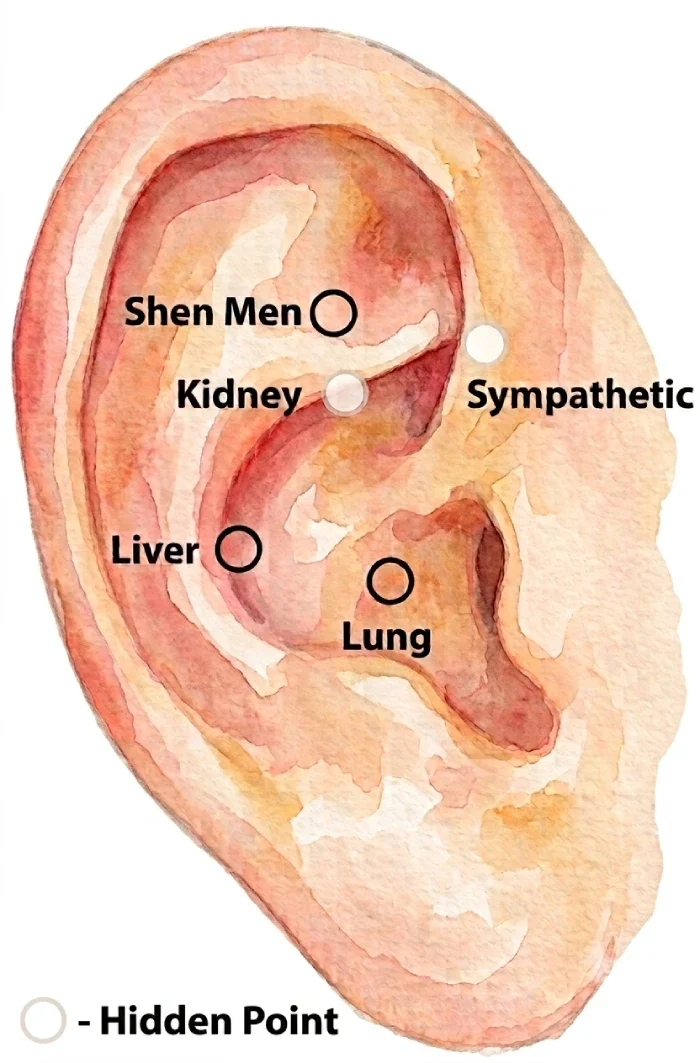
Typically, we initiate treatment with the N.A.D.A. protocol, applied to specific ear points, to help detoxify organs from accumulated emotional stress. We often incorporate the Aggressive Energy and Internal/External Dragons protocols, drawn from 5 Elements acupuncture, to clear stagnant energy and address emotional or psychological trauma stored within the organs.

Acupuncture for Fibromyalgia employs a multi-faceted approach, focusing on both local pain relief and addressing the root energetic imbalances, as understood in Traditional Chinese Medicine (TCM).

Key Treatment Strategies:

  • Local Pain Relief: Using Ashi points to directly alleviate pain in affected areas.
  • Addressing Root Conditions (TCM Perspective): Treatment targets underlying body conditions such as Liver Qi stagnation, Spleen Qi deficiency, or imbalances of Yang or Yin.
  • Whole-Body Relief: Utilizing SP 21, a major point for Fibromyalgia, to relieve generalized whole-body pain and muscle aches.
  • Moving Energy and Calming the Mind: Employing the Four Gates points (Li4 and Lv3) to promote the flow of stagnant energy and emotions, thereby relieving pain and stress.
  • High-Vibrational Healing: Utilizing Esoteric Acupuncture protocols to balance the Chakras and restore the patient’s connection to their Higher Self and Sacred Heart.

By combining meridian work, the N.A.D.A. protocol, advanced “Dragon” protocols, and the high-vibrational approach of Esoteric Acupuncture, this treatment addresses the condition where TCM philosophy suggests it originates—within the energy body.

Part 1: The “Master Reset” – Calming the Physical Alarm

Before deep healing can occur, we must silence the “alarm” of the nervous system. In fibromyalgia, the body is stuck in central sensitization—a loop of sympathetic overload (Fight or Flight).

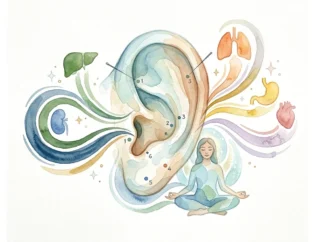
One of the most effective ways to break this loop is the N.A.D.A. (National Acupuncture Detoxification Association) protocol. By placing five tiny needles in specific points on the ear, we facilitate an immediate shift of the overactive nervous system to its natural state of rest. This protocol acts as a hard reboot, forcing the body to enter the parasympathetic state (Rest and Digest), which is the only state where the body can actually repair itself.

Part 2: Clearing the “Internal and External Dragons”

When fibromyalgia is severe, the “static” in the nervous system is often viewed in TCM as a form of “possession”—not in a supernatural sense, but as a state where the body is possessed by its own chaotic, unbridled energy. To clear this, we use the Internal and External Dragon protocols from 5 Elements acupuncture

  • The External Dragons: This protocol is used to clear “external” factors like environmental toxins, lingering infections, or the “energetic debris” we pick up from others. It creates a clean slate for the body.
  • The Internal Dragons: This protocol goes deeper, addressing internal emotional trauma and deep-seated mental patterns. It helps to move, to transform stuck energy, stuck memory of trauma, of pain, that has taken up residence in the meridians, allowing the person to feel “at home” in their body again.

Part 3: Esoteric Acupuncture – Healing at the Source

There is a profound psychosomatic relationship between mind and body, and the way that the energy of thoughts and emotions reflect on the physical body. TCM philosophy suggests that physical illness is often the last stage of an imbalance that began long ago in the energy field. If we only treat the physical symptoms, the pattern may eventually return. This is where Esoteric Acupuncture becomes essential. Esoteric Acupuncture uses complex geometric patterns of needles (Sacred Geometry) to align the person’s physical self with their higher consciousness, thereby, restoring the balance of the psychosomatic and psycho-energetic relationships.

Part 4: The Nervous System “Short Circuit”

In a healthy body, the nervous system acts like a dimmer switch, adjusting to stress and then returning to a calm baseline. In fibromyalgia, that switch is jammed in the “ON” position. This is known as central sensitization.

  • The TCM View: This “jammed switch” is often a result of Liver Qi Stagnation (a massive internal traffic jam) and Kidney Deficiency (a drained battery). When the Liver cannot move energy smoothly, the body remains in a state of high tension, leading to the “static” that sensitive energy healers often sense.
  • The Energy View: Healers often perceive this as a jagged, “buzzy” vibration around the body. It is the sense of a system that has forgotten how to rest.

Part 5: Clearing the “Static” and Repairing the Shield

While acupuncture works on the internal “wiring,” energy healing works on the “wireless signal” (the every around the body or the aura).

For someone with fibromyalgia, the energetic boundary is often thin or fractured. You might feel “exposed” to the world, sensing other people’s stress as if it were your own. Energy healers approach treatment by:

  1. Grounding the Static: Pulling the excess “electrical noise” out of the head and down through the feet.
  2. Patching the Shield: Strengthening the Wei Qi (your protective energy) so that you stop “absorbing” the environment.
  3. Smoothing the Flow: Helping the energy move through the heavy, “swamp-like” areas (Dampness) so the limbs feel lighter.

Part 6: The Multi-Dimensional Recovery Blueprint

Treatment LevelProtocol UsedEnergetic Goal
Nervous SystemN.A.D.A. Ear ProtocolReset “Fight or Flight” to “Rest and Repair.”
Meridian FlowInternal/External DragonsClear blocks, chaotic “static” and deep-seated trauma.
Energy BodyEsoteric AcupunctureAlign the physical self with their higher consciousness
Physical SupportDiet, Herbs & MovementRecharge the “Kidney Battery” and clear “Dampness.”

Part 7: The Recovery Flow

FeatureThe “Fibro” State (Pre-Reset)The “Restored” State (Post-Reset)
Nervous SystemSympathetic Overload (Fight or Flight)Parasympathetic Balance (Rest/Repair)
Energy FlowStuck, Stagnant, and “Buzzy”Smooth, Fluid, and Grounded
The “Battery”Drained (Kidney/Spleen Deficiency)Recharging (Balanced Qi)
Mental State“Fibro-Fog” and High AnxietyClarity and Calm Awareness

From Reactivity to Sovereignty

Fibromyalgia is a sign that the body’s “wiring” is overloaded and its connection to its energy source has been worn out. By using the N.A.D.A. protocol to quiet the nerves, the Dragon protocols to clear the blocks, and Esoteric Acupuncture to heal the energy field, we do more than just manage pain. We restore the energetic sovereignty. When the internal static is cleared and the energy body is aligned, the physical body finally receives the message it has been waiting for: “The crisis is over; it is safe to thrive.”

Acupuncture for Postpartum & Sitting the Month

Giving birth is a profound and joyous event, but the postpartum period presents significant physical and emotional challenges as a mother’s body recovers and adapts. Prioritizing postpartum care is crucial for the mother’s health and overall well-being during this vital time.

Childbirth involves a substantial loss of blood, Qi (vital energy), and Jing (essence), leading to a state of deficiency in the mother. Therefore, postpartum care is essential to replenish these vital substances and restore health and vitality. The primary components of postpartum recovery are adequate rest, nourishing nutrition, and maintaining warmth.

New mothers often come to us, worried that their physical and emotional conditions are problematic or even harmful for themselves and their family. I remind them of the physically, psychologically, and emotionally difficult process of giving birth that they endured, emphasizing that their body requires time and energy to recover.

Sometimes women feel they have sufficient energy to manage a heavy load—caring for the baby, running a business, doing housework—yet still sense that something is ‘off.’

In these cases, I frequently diagnose a stagnation of energy in the body, particularly liver qi stagnation. This stagnation can generate what is often called “false energy.” After we help the body to resolve this stagnation, women often feel a profound weakness, revealing their underlying, depleted state. Then, through gradual acupuncture treatments, we begin the process of restoring their core energy and nourishing their blood.

Understanding Postpartum Depression

Postpartum depression stems from the numerous changes, transitions, and expectations new mothers face. The entire world of a new mom shifts dramatically after birth. While physical exhaustion is recognized, the mental health of new mothers is often overlooked, despite being equally, if not more important. A mother’s mental health is profoundly impacted by a complex interplay of family beliefs, hormonal fluctuations, identity shifts, career changes, financial obligations, personal dreams, social expectations, sleep deprivation, the urgency of caring for a new life, the pressure to form a secure attachment, and potentially limited family support.

TCM Perspective on Postpartum Recovery

In Traditional Chinese Medicine (TCM), pregnancy is considered a “yang” state, characterized by warmth and increased blood circulation due to the baby’s presence. Birth shifts the body to a more “yin” state, marked by emptiness and coldness. The loss of Qi, blood, fluids, and Jing essence during childbirth leaves the mother deficient. TCM emphasizes avoiding coldness, wetness, and dampness, including cold liquids or touching cold water, to prevent the body’s Qi from slowing down. Maintaining warmth is crucial during the postpartum period to restore lost heat and vital energy.

TCM Treatment Principles

TCM treatment aims to restore blood and Qi, balance the body’s energy flow, and re-establish harmony. This approach improves mood, reduces stress and anxiety, and enhances sleep, helping women feel revitalized. TCM practitioners recognize that the nature of birth, combined with insufficient rest and malnourishment, can make new mothers susceptible to deficiencies, particularly of Liver Blood/Yin, Heart Blood/Yin, Spleen Qi/Yang, and Kidney Yin/Jing essence.

The treatment focuses on first balancing and relaxing the nervous system, which in turn calms all organ systems and revives bodily functions. The goal is to restore blood by needling points on the Stomach and Spleen channels using tonifying methods. This strengthens the digestive system, allowing for better absorption of nutrients and the production and movement of vital energy (Qi) and blood.

Additionally, points on the Kidney channel are used to tonify energy, and specific points known as the ‘Sea of Blood’ and ‘Sea of Energy’ are utilized to access the body’s reserves of Qi and blood. The acupuncture point ‘Zusanli’ (Stomach 36) is also employed to restore the balance of Yin and Yang.

Calming the Nervous System with Acupuncture

The nervous system of a new mother is often on high alert, and sleep deprivation exacerbates feelings of anxiety and being “wired.” Acupuncture helps calm the nervous system, promoting a sense of peace and groundedness. This support can alleviate the demands of new parenthood, reduce anxiety and stress, and lower the risk of postpartum depression. It is vital for mothers to prioritize self-care and advocate for their own healing.

The Concept of Yin and Yang in Postnatal Care

In the postnatal period, the intense exertion of childbirth depletes a woman’s yang energy, disrupting the fundamental balance of yin and yang. The resulting loss of warming blood and vital Qi leaves her highly susceptible to external cold. Consequently, the core focus of care is to replenish her yang energy and meticulously prevent any exposure to cold. While traditional customs once strictly forbade hair washing to avert cold invasion, this practice is less urgent today given modern amenities like hair dryers. Essential recommendations include dressing warmly and consistently keeping the abdomen and sacrum well-covered to shield against cold penetration.

“Sitting the Month” or “The Golden Month”

The first month after childbirth, known in Eastern traditions as “Sitting the Month” or “the Golden Month,” is crucial for a mother’s physical and emotional healing and impacts her future health and the baby’s well-being. During this time, the mother is encouraged to rest, avoid leaving her home, and protect herself from wind and cold. Family members traditionally prepare nourishing, warm foods like soups and stews, cooked with ingredients that replenish blood, yin, and Qi. Examples include black sesame seeds, ginger, aduki beans, yam, rice, sweet potato, mushrooms, nutmeg, goji berry, red dates (jujube), dark leafy greens, avocado, dates, and kidney beans. Cold foods and drinks, cold liquids, and raw foods are avoided.

Food as Medicine in Traditional Chinese Culture

In traditional Chinese culture, food is considered medicine and is vital for postnatal Qi and blood replenishment and proper healing. The increased nutritional demands during recovery and breastfeeding necessitate nutrient-dense foods. Beyond aiding healing and replenishing depleted nutrients, these foods also support breast milk production and assist the mother through the significant life transition.

Modern World Challenges

In the modern world, women often return to work quickly while managing family and baby care. This can lead to exhaustion, insufficient sleep, inadequate nutrition, and incomplete recovery. Societal and self-imposed pressures regarding “maternal instinct” can lead to feelings of isolation, incompetence, and shame.

The Interconnectedness of Mother and Child

A fundamental principle is that nourishing the mother directly nourishes the child.

The Role of Traditional Chinese Medicine

Many women are unaware of the profound benefits of Traditional Chinese Medicine (TCM) for postpartum recovery. There is a critical need for more information to educate women, assuring them that they do not have to struggle. TCM, particularly acupuncture, can dramatically help by restoring the body’s balance, nourishing vital energy (Qi) and blood, and helping mothers reclaim their sense of self.

It is paramount for mothers to prioritize self-care. When mothers are well, the entire family thrives.

Menopause – Embracing Your Second Spring

Traditional Chinese Medicine view on Menopause as Second Spring - Camino Wellness Center

Many women come to us struggling with challenging menopause symptoms such as hot flashes, insomnia, mood swings, fatigue, weight gain, depression, anxiety, and anger. In dialogues with our patients, we find that often these symptoms are endured under an assumption that they are an inevitable part of life, per witnessed experiences of their predecessors. 

However, we want every woman to know that suffering is not a requirement, that relief is possible, that menopause is not a disorder; it is a profound energetic transformation.

Chinese medicine can profoundly help restore harmony and balance to the body through the use of herbs, acupuncture treatments and lifestyle adjustments, easing menopausal symptoms and making this transition naturally smooth and effortless. Meditation can also deeply assist during this period.

The Lens of Traditional Chinese Medicine – “Second Spring”

In Traditional Chinese Medicine (TCM), this period is beautifully named “Second Spring”— a time of change, renewal, and profound personal transformation. Just as our first “spring” marks the onset of fertility and menstruation, this “Second Spring” signifies the cessation of menstruation and an invitation for women to prioritize self-nourishment.

This transformative shift, much like puberty, involves significant physiological changes and can feel like an emotional, psychological, and physical rollercoaster. Yet, each woman’s experience is unique, offering an opportunity to embrace a new stage of wisdom — a new season in life. To put it bluntly, what feels like going crazy is a gateway to the unfolding of sanity. 

Imbalance of Yin/Yang & Kidney Deficiency

In Traditional Chinese Medicine (TCM), menopausal symptoms are primarily attributed to kidney deficiency, which in turn affects the heart, liver, and spleen. This kidney deficiency is characterized by a decrease in Yin, a nourishing and moisturizing essence, as hormone levels change and kidney function declines with age. The reduction in Yin (Water) leads to a relative increase in Yang (Fire), causing symptoms like hot flashes and sweating. 

Treating Menopause

As each woman is different, TCM takes a comprehensive stance to diagnosis, viewing the body as an interconnected system, considering every aspect of a woman’s life: past and present lifestyle, diet, medical history, menstrual cycle history, trauma, and stress levels. The focus is on treating the whole person, not just the symptoms. 

Since TCM considers menopause a natural slowing down in kidney function causing an imbalance of Yin and Yang, the treatment focuses on enriching the kidney function and rebalancing of Yin and Yang energies. The approach aims to nourish Yin, clear excess heat, and restore overall bodily balance. This involves supporting the connection between the Heart (Fire element) and Kidney (Water element) as sufficient Water element can balance the heat and reduce hot flashes, night sweats, night urination as well as significantly improve the quality of sleep.

Acupuncture Medicine

Acupuncture applies needles to specific points along the body’s energy lines, or meridians, to activate the body’s natural healing response. Needles help to reach deep awareness of the complex parasympathetic system and connect this system to and through the tensions in the body. Deep tensions play a significant role in isolating imbalances from the awareness of the body’s innate restorative and healing intelligence. The more tension and pressure is held in the body, the more the loss of sensitivity and awareness of the emotional depth. This powerful energy medicine discovered that each organ is associated with a specific emotion and element: Kidneys (Water Element) with Fear, Heart (Fire Element) with Joy, Spleen (Earth Element ) with Worry/Anxiety, Liver (Wood Element) with Anger/Resentment, Lungs (Metal Element) with Grief/Sadness, etc. With that, energy sensitive people typically feel a nearly instant deepening into the body as well as release as soon as the first needle is inserted, while others ultimately report a deep sense of relaxation. Even the energy in the room becomes palpably more grounded as the body’s intelligence is finally able to reach places that have become inaccessible due to tensions.

During menopause, hormones dramatically shift, and the body, much like during puberty, might feel disoriented. Energetically, the body needs reassurance that these changes are nothing to worry about. Acupuncture can do just that!

Diet Plays a Significant Role

Consuming nourishing and cooling foods can be incredibly beneficial. Focus on moisturizing, Yin-nourishing foods like mung beans, radish, black sesame seeds, pine nuts, dark leafy greens, black and kidney beans, and millet.

It’s best to avoid spicy foods, onion, garlic, ginger, and similar warming ingredients. Limit caffeine and alcohol, as both are warming and dehydrating, which exasperate hot flashes.

Beyond professional treatment, many self-care practices can support this transition into your Second Spring. Engage in activities that bring you joy, including meditation, walks in nature and adequate rest. 

Elevate your perception of menopause—it is your liberation – Your Second Spring!

Acupuncture for Menstrual Pain, PMS & Emotional Deepening

Acupuncture for Menstrual Pain - Emotional Deeping - Camino Wellness Center

In Traditional Chinese Medicine (TCM), a healthy menstrual cycle is characterized by being painless and smooth, with bright red flow. In TCM’s philosophy, where Qi and Blood can flow freely, there will be no pain; where there is a blockage, there will be pain. 

TCM attributes menstrual pain to imbalances in the body’s energy flow, particularly Liver Qi stagnation, Qi and Blood stagnation, and Spleen Qi deficiency:

Liver Qi Stagnation

Liver Qi Stagnation refers to a blockage of energy within the liver organ and meridian system. This can be triggered by stress, emotional disturbances, and an unhealthy diet, leading to disrupted Qi and Blood flow. Symptoms may include menstrual pain, cramps, irritability, anger, anxiety, mood swings, breast tenderness, insomnia, and headaches.

Spleen Qi Deficiency

Spleen Qi Deficiency, often stemming from a poor diet or excessive worry, weakens the body’s ability to produce and circulate blood, resulting in symptoms like bloating (due to dampness), fatigue, and depression.

Blood Stasis

Blood Stasis occurs when blood flow is obstructed, causing painful periods with clots. In Chinese Medicine, there’s a strong connection between the uterus and the liver. The Liver is responsible for maintaining the free flow of Qi throughout the body. When Liver Qi flow is restricted, blood stasis can develop in the uterus.

Menstrual cramps are generally categorized as either deficiency or excess.

Deficiency Cramps

Deficiency cramps occur when there are deficiencies in life-force energy and blood, leading to malnourishment of ovaries and uterus during or after the period. This condition, often termed ‘pain due to malnourishment’ in TCM, typically manifests during or near the end of each menstrual cycle.

Excess Menstrual Cramps

Excess menstrual cramps arise from the accumulation of illness-causing factors like Qi stagnation, blood stasis, Cold or Heat-Dampness in the body. These factors often result from poor lifestyle habits, including high stress levels, lack of exercise, unhealthy eating, consuming cold food and drinks, prolonged exposure to cold environments, smoking or alcohol consumption. This type of cramp usually begins just before or during the early part of the period.

In this case, to alleviate symptoms, it is recommended to avoid cold food and drinks one week before your period. Apply a hot water bottle or heating pad to your lower abdomen during menstruation.

TCM Treatments

Acupuncture, herbal medicine and lifestyle adjustments are highly effective in treating both psychological and physiological symptoms, restoring balance and alleviating discomfort. A comprehensive diagnosis is crucial, as the underlying causes can vary. 

A TCM practitioner assesses individual symptoms and patterns of disharmony to determine the most suitable acupuncture points and herbal formulas. This in-depth treatment strategy aims to restore the free flow of Qi, alleviate PMS symptoms, and enhance overall health.

Acupuncture

This technique transforms energetic blockages in the body, regulates Qi and blood flow, and can alleviate stagnation-related symptoms such as cramps and breast tenderness while stabilizing hormonal fluctuations. Acupuncture is also renowned for promoting deep relaxation and calming the mind and the nervous system, thereby addressing the roots of stress. This can lead to emotional harmony and a reduction in many PMS symptoms.

Herbal Medicine

Herbal blends are customized to an individual’s specific symptoms and constitution, addressing both the symptoms and the underlying causes of PMS. Many herbal formulas are designed to support liver health and ensure the free flow of liver Qi, preventing the emotional and physical symptoms associated with PMS. Herbs may also be used to nourish the blood and Yin, ensuring adequate hydration and nutrient supply to body tissues, which is vital for overall mind-body balance.

Lifestyle Recommendations

Adopt a healthy diet and stress management techniques. Daily meditation can be a powerful tool for internal work. Regular exercise, such as daily walks, improves blood and Qi circulation. Establishing healthy sleep habits, reducing caffeine and alcohol consumption and incorporating an organic diet rich in whole grains, vegetables, and fresh fruits will also help balance nutritional and mineral deficiencies that may be contributing to additional bodily stress. 

Create intentional space for this time of the month for emotional deepening and listening inwardly to the needs of the mind, body and soul. This can be a beautiful and quite insightful experience of re-connection to the inner feminine essence, its embedded history and wisdom.

By embracing these holistic approaches, women can transform their menstrual experience, moving towards cycles that are not only free from discomfort but also characterized by emotional well-being and vitality. The journey to balanced health is a continuous one, and with the wisdom of TCM, a harmonious and pain-free menstrual cycle is an attainable reality.